

Modern logistics businesses need end-to-end visibility. With the help of logistics tracking software, GPS vehicle tracking, and real-time tracking of shipments, businesses can monitor their shipments, vehicles, and orders at all times. This increases transparency and trust, and also helps in timely communication.
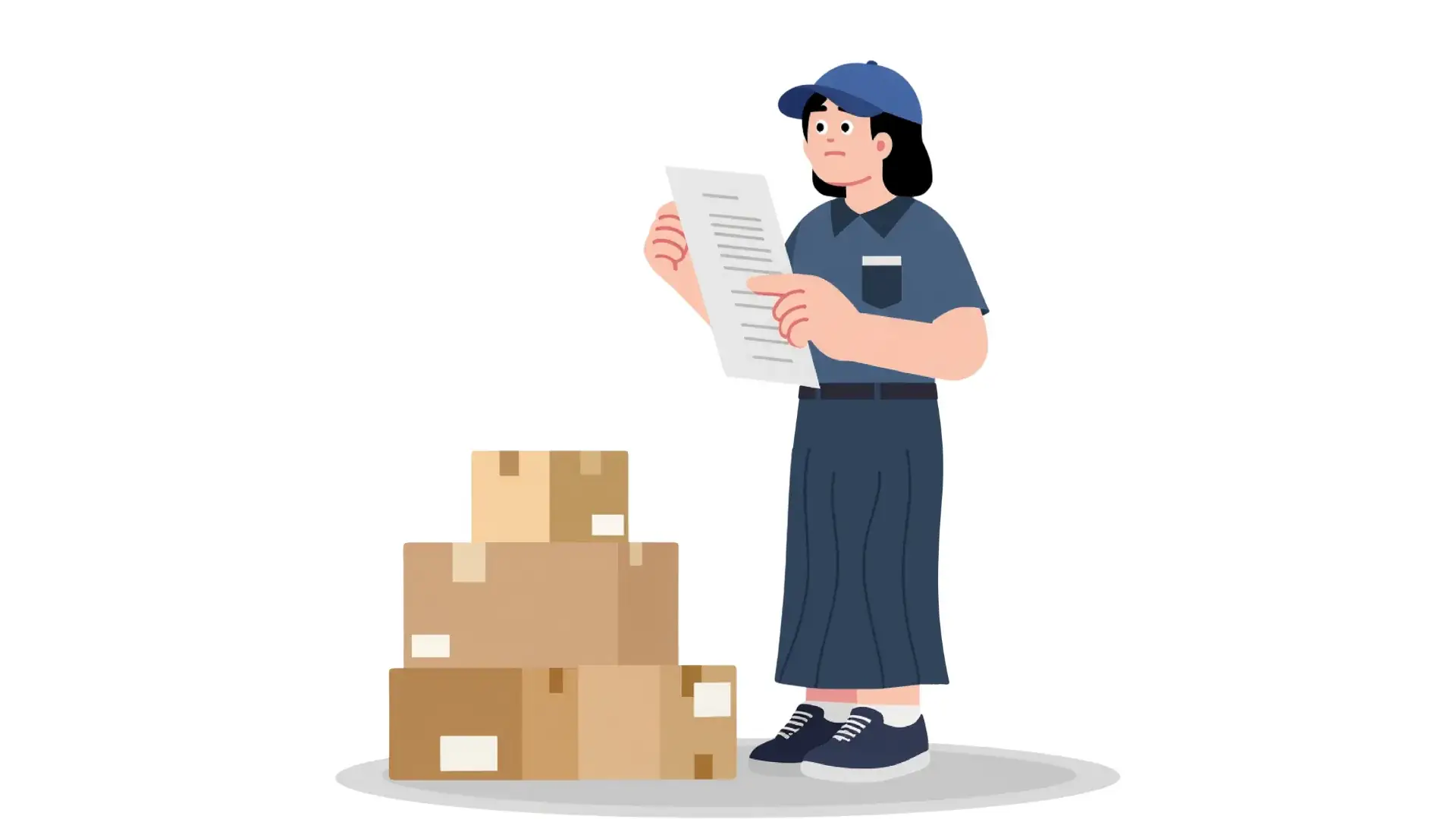
Route optimization software helps logistics and transportation companies reduce fuel costs and delivery delays. Using AI-powered routing, smart dispatch systems, and capacity planning, fleets can operate more efficiently, complete more deliveries on time, and improve overall operational performance.
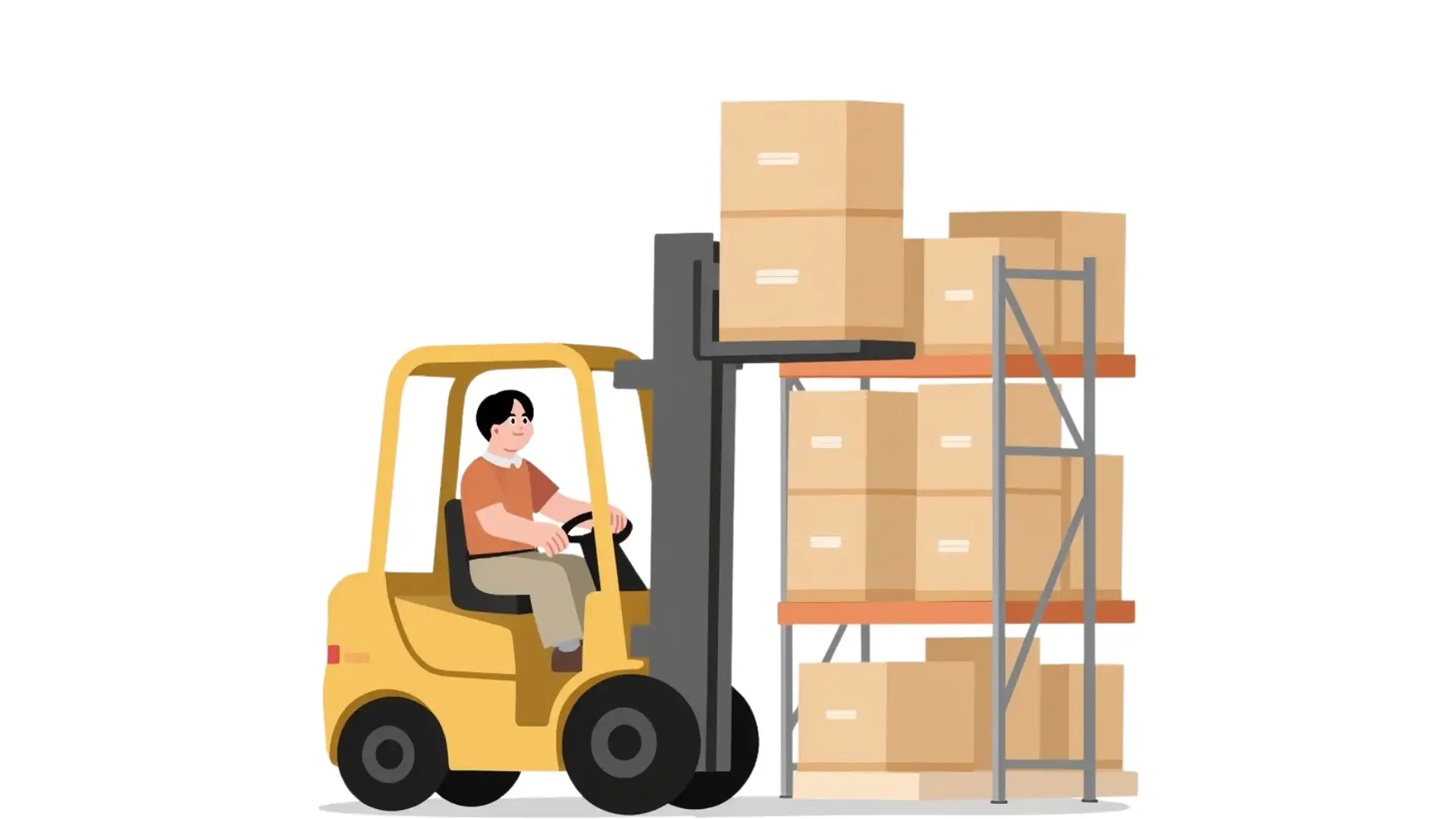
With a robust warehouse management system (WMS), logistics businesses can automate storage, picking, and dispatch operations. Features like inventory management software, barcode and RFID scanning, and real-time stock syncing help reduce errors, speed up fulfillment, and improve warehouse accuracy.

Logistics software solutions enable seamless carrier integration, automated labeling, EDI workflows, and compliance management. This reduces manual effort, improves data accuracy, and ensures smooth coordination between transporters, warehouses, and regulatory requirements.
Track vehicles, manage maintenance, optimize routes, and monitor driver performance in real-time.
Inventory control, order fulfillment, and warehouse operations management systems.
AI-powered route planning to reduce costs, save time, and improve delivery efficiency.
Real-time tracking and visibility for shipments throughout the entire supply chain.
End-to-end supply chain solutions for planning, procurement, and logistics coordination.
Mobile applications for drivers, delivery personnel, and customer tracking.
Our freight management software helps logistics companies manage freight bookings, pricing, carrier management, and shipment tracking from a single platform. Integrated with transportation management systems (TMS), it improves coordination, reduces manual work, and ensures smoother freight operations.
We build last-mile delivery software designed to improve delivery speed and customer satisfaction. With route optimization, real-time delivery tracking, driver management, and automated customer notifications, businesses can reduce delivery costs and ensure on-time order fulfillment.
Our cold chain logistics software supports temperature-controlled transportation for food, pharmaceuticals, and medical supplies. It enables real-time temperature monitoring, compliance tracking, and secure handling to maintain product quality throughout the supply chain.
With advanced logistics analytics software, businesses gain data-driven insights into operational efficiency, cost management, fleet performance, and delivery timelines. Detailed dashboards and reports help optimize logistics processes and support smarter business decisions.

React

Vue.js

Node.js

Python

Cloud Infrastructure

AI & ML

Mobile Development

GPS & Mapping
Real-time GPS tracking provides complete supply chain visibility by monitoring vehicle locations, route deviations, and delivery progress. Our logistics software development enables live tracking dashboards for dispatchers and customers, reducing delivery uncertainty and improving service quality. Vehicle tracking systems show actual vs. planned routes, helping identify inefficiencies. Real-time tracking solutions reduce theft, improve driver accountability, and enable proactive communication with customers. Integration with mobile apps allows customers to track deliveries in real-time, while transportation management software optimizes routes based on live traffic conditions, reducing delivery times and fuel costs.
Route optimization software uses advanced algorithms to minimize distance, time, and fuel consumption while meeting delivery windows. Our logistics software development implements vehicle routing problem (VRP) solutions that consider vehicle capacity, time windows, driver availability, and traffic patterns. AI-powered route planning reduces empty kilometers, prevents backtracking, and combines orders intelligently. Transportation management software integrates real-time traffic data for dynamic adjustments, reducing congestion delays. Supply chain optimization through better routing typically reduces fuel costs by 15-25%, lowers carbon emissions, and enables more daily deliveries per vehicle, improving overall transportation logistics efficiency and sustainability.
Warehouse automation through warehouse management system (WMS) integration dramatically improves order fulfillment cycles. Our logistics software development includes automated picking and packing workflows, real-time inventory location systems, barcode and RFID scanning, and conveyor system integration. Warehouse management systems reduce picking errors, speed up order processing, and optimize storage layouts based on demand patterns. Automated workflows eliminate manual searches, reduce fulfillment time by 30-40%, and improve accuracy. Inventory management systems provide real-time stock visibility across multiple warehouses, enabling faster order fulfillment and preventing stockouts that disrupt supply chain optimization and customer satisfaction.
Last-mile delivery solutions require route optimization, real-time tracking, proof of delivery, and driver communication tools. Our logistics software development enables efficient dispatching, geofencing for delivery zones, and integration with gate codes for building access. Last-mile delivery optimization includes address verification to reduce failed deliveries, customer notifications with time windows, and digital signature capture. Delivery tracking apps provide drivers with turn-by-turn navigation, customer contact information, and proof of delivery documentation. Transportation management software optimizes last-mile economics through consolidation and scheduled delivery windows, making final-mile logistics more cost-effective while improving on-time delivery rates and customer satisfaction.
Carrier integration within logistics software development enables unified rate shopping, shipment execution, and tracking. Our transportation management software connects with FedEx, UPS, DHL, India Post, and regional carriers through standardized APIs. Multi-carrier integration automatically selects optimal carriers based on cost, speed, and service level. Supply chain optimization includes carrier capacity planning and load consolidation across multiple carriers. Real-time tracking solutions pull tracking data from all carrier systems into unified dashboards. Logistics CRM features facilitate carrier communication and performance monitoring, ensuring reliable service. EDI workflows automate order transmission to carriers, reducing manual data entry and improving order fulfillment accuracy across your entire transportation logistics network.
Mobile dispatch apps in logistics software development enable field teams to receive assignments, navigate efficiently, and complete deliveries. Our logistics app development includes offline mapping, barcode scanning, photo capture, and digital signatures on mobile devices. Driver apps show customer details, special instructions, and proof of delivery requirements. Real-time communication enables dispatchers to reassign orders, alert drivers to delays, and coordinate with teams. Vehicle tracking systems monitor driver performance, route adherence, and delivery quality. Field service management features include fleet management system monitoring of vehicle conditions and driver behavior. Mobile logistics apps improve operational visibility, enable better customer communication, reduce delivery failures, and increase driver accountability across transportation management networks.
Cold chain management solutions ensure temperature-sensitive products maintain required conditions throughout transportation and storage. Our logistics software development includes IoT sensors in refrigerated containers that monitor temperature, humidity, and location continuously. Real-time alerts notify stakeholders of deviations, enabling immediate corrective action. Cold chain logistics provides audit trails proving compliance for pharmaceutical and food products. Supply chain optimization routes optimize cold chain routes to minimize temperature exposure while reducing transit time. Warehouse management systems include climate-controlled storage zones with automatic temperature regulation. Full cold chain visibility from supplier to customer ensures product integrity, regulatory compliance, reduces spoilage losses, and maintains product value for temperature-dependent goods.
Logistics analytics provide actionable insights from transportation and supply chain data. Our logistics software development includes dashboards measuring on-time delivery rates, vehicle utilization, cost per delivery, and dispatch efficiency. Analytics tools identify performance trends, bottlenecks, and opportunities for optimization. Key metrics tracked include average delivery time, failed delivery rates, customer satisfaction, and cost analysis by route, vehicle, and driver. Logistics CRM integration reveals customer service patterns. Predictive analytics forecast demand fluctuations and capacity requirements. Real-time reporting enables quick decision-making, while historical analysis identifies best practices. Transportation management software enables data-driven decisions that optimize fleet utilization, reduce costs, improve service quality, and support strategic logistics planning.
Compliance automation in logistics software development eliminates manual documentation while ensuring regulatory adherence. Our transportation management software automatically generates and manages required documentation like bills of lading, customs forms, and hazmat declarations. Logistics automation enforces compliance rules�preventing non-compliant shipments from being processed. Real-time alerts notify staff of upcoming compliance deadlines. Audit trails maintain complete records for regulatory inspections. Supply chain software solutions ensure proper handling procedures for restricted goods. Integration with customs authorities streamlines cross-border shipments. Automated compliance reduces errors, prevents costly penalties, demonstrates regulatory adherence, and accelerates shipping processes while maintaining full documentation trail for audits and customer disputes.
Scalable logistics software development grows with your business without disruption. Our transportation management software handles increasing shipment volumes, expanded service areas, and growing teams. Cloud-based logistics technology solutions scale infrastructure automatically, accommodating peak seasons and sudden demand spikes. Modular architecture allows integration of new carriers, warehouse locations, and operational capabilities. Supply chain software solutions support international expansion with multi-language, multi-currency, and localized compliance features. Vehicle tracking systems expand to manage larger fleets seamlessly. Logistics app development ensures mobile platforms remain responsive as user numbers grow. Database optimization and auto-scaling infrastructure ensure consistent performance. Scalable logistics platforms grow from managing dozens to thousands of daily shipments while maintaining reliability, speed, and accuracy.
Logistics software development integrates deeply with ecommerce platforms for seamless fulfillment. Our transportation management software receives orders automatically from shopping carts, triggers warehouse picking and packing, and coordinates shipment. Real-time inventory synchronization prevents overselling. Shipping cost calculations update checkout immediately based on destination and weight. Customers receive tracking details automatically post-shipment. Supply chain software solutions manage returns initiation and reverse logistics. Logistics CRM generates fulfillment reports, measures on-time delivery performance, and identifies bottlenecks. Integration ensures proper order status updates in ecommerce systems. Vehicle tracking provides delivery confirmation. Full ecommerce-to-logistics automation reduces manual intervention, improves order accuracy, enables faster fulfillment, and enhances customer experience through transparent tracking.
Cost reduction in logistics requires optimization across multiple areas. Route optimization software reduces fuel consumption by 15-25% through intelligent planning. Warehouse management systems improve space utilization and reduce labor hours. Consolidation of orders reduces per-unit shipping costs. Logistics automation eliminates expensive manual processes. Vehicle tracking identifies inefficiencies and prevents wasteful behaviours. Supplier collaboration and logistics CRM features enable better negotiations. Supply chain optimization reduces inventory holding costs. Predictive maintenance prevents expensive fleet breakdowns. Modal optimization (selecting appropriate transport modes) balances cost and service. Our transportation management software provides visibility into cost drivers, identifies savings opportunities, and enables continuous improvement. Strategic cost management maintains service quality while improving profitability across entire logistics operations.